The Interventional Spine & Musculoskeletal Medicine Fellowship Program was established in 2019. 

2024-2025

Seth Bires

Seth Bires, MD

I had an amazing experience during my University of Utah NASS ISMM Fellowship year. Every attending I had the opportunity to work with were exceptional teachers-approachable, supportive, and deeply invested in our development both technically and clinically. This fellowship also provided an impressive clinical and procedural volume and variety, which has given me a high level of confidence and independence since transitioning into practice. I am beyond grateful for my experiences at the University of Utah and would strongly recommend this fellowship. 

Matthew Essman

Matthew Essman, MD, DPT

St. Charles Center for Orthopedics & Neurosurgery

My training with the University of Utah's ISMM Fellowship was one of the most rewarding experiences of my medical education. I knew that I would receive exceptional technical training working alongside numerous leaders in the field, but what I underestimated was the camaraderie and mentorship that would be built-a community of colleagues who I would continue to collaborate with, call upon for advice and enjoy catching up with as friends. From technical precision, to clinical judgement, to managing administrative efficiencies, this fellowship will have you read from day one, no matter what setting you choose to pursue upon completion. I would do this fellowship again without hesitation! 

Amelia Ni

Amelia Ni, MD

2023-2024

Daniel Carson, DO

Daniel Carson, MD

Keith Polston, MD

Keith Polston, MD

Katharine Smolinski, DO

Katharine Smolinski, MD

University of Utah

2022-2023

Marc Caragea, DO

Marc Caragea, DO

EmergeOrtho

My time as an ISMM Fellow at the University of Utah was truly exceptional. The fellowship offers comprehensive clinical, procedural, research, and leadership training designed to develop the next generation of spine specialists, with the opportunity to train alongside faculty who are internationally recognized leaders in the field. Living in Utah was equally remarkable, with unmatched access to world-class mountain biking, skiing, and climbing right outside the hospital. I graduated feeling fully prepared for independent and well positioned to become an expert in the Interventional Spine and Musculoskeletal care. 

Margaret Beckwith, MD

Margaret Beckwith, MD 

Confluence Health

"The ISMM Fellowship at the University of Utah is a tremendous program and your fellowship mentors are national leaders and scholars in the field. There is a deliberate, purposeful learning objective behind every procedure, every clinical encounter, every question, and every lecture that is asked of you. You have access to cutting edge technology, innovative clinical trials, and a powerful alumni network. You will graduate as a truly more knowledgeable and capable physician. And, to top it all off, Utah is a stunning outdoor mecca-hiking, biking, climbing, skiing, running, and rock climbing are everywhere you turn (and you can even find occasional ski-joring, rodeos, rockhounding, and fossil digging)!"  
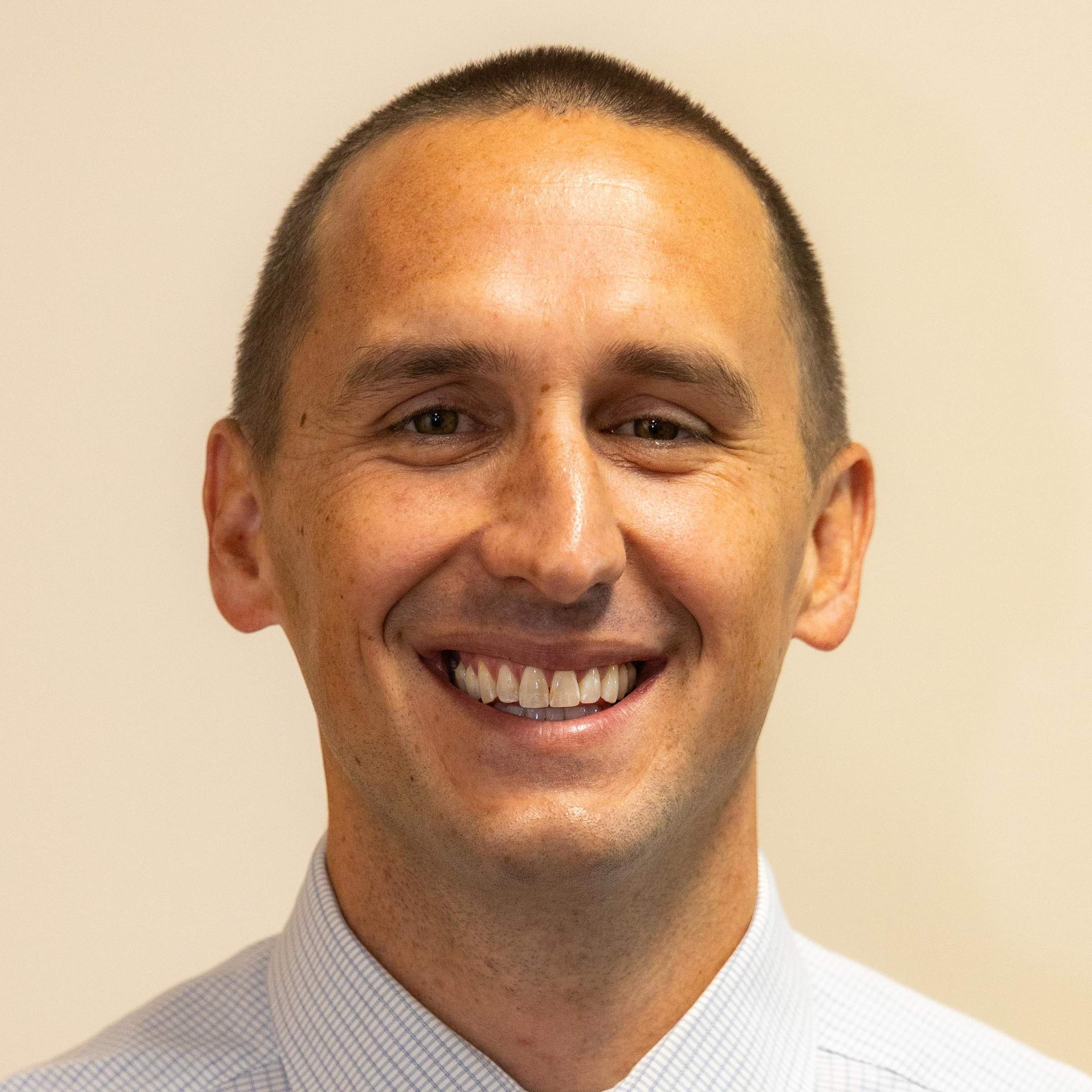
Scott Miller MD

Scott Miller, MD

Tennessee Orthopaedic Alliance

“The training that I received during my fellowship year at the University of Utah was unmatched. Learning and working alongside national and international leaders in the field, this year allows for such growth as a physician and as a person. This, in conjunction with living in beautiful Salt Lake City, makes this a unique and unrivaled experience.”

2021-2022
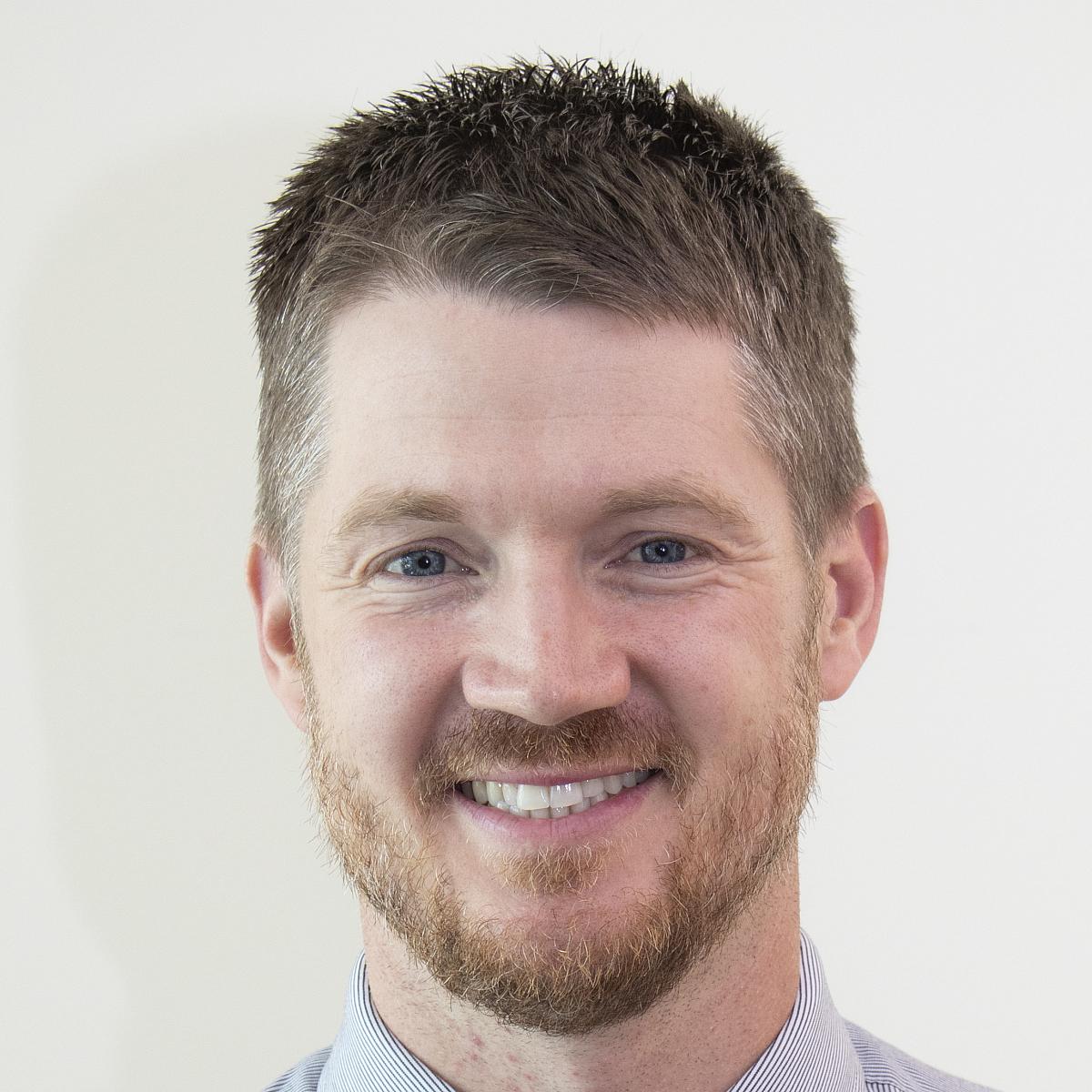
Colton Hickman, DO

Colton Hickman, DO

St. Mary's-Intermountain Healthcare

“I did my fellowship at the University of Utah in 2021-2022. It was a wonderful experience that helped me develop and polish my skill sets. Coming out of fellowship, I felt extremely prepared and hit the ground running.  I really enjoyed my mentors, and I truly felt like I struck gold. I am extremely grateful to them and the fellowship program. It has paid countless dividends to my development and career.  I would definitely do the fellowship again and strongly recommend it!" 
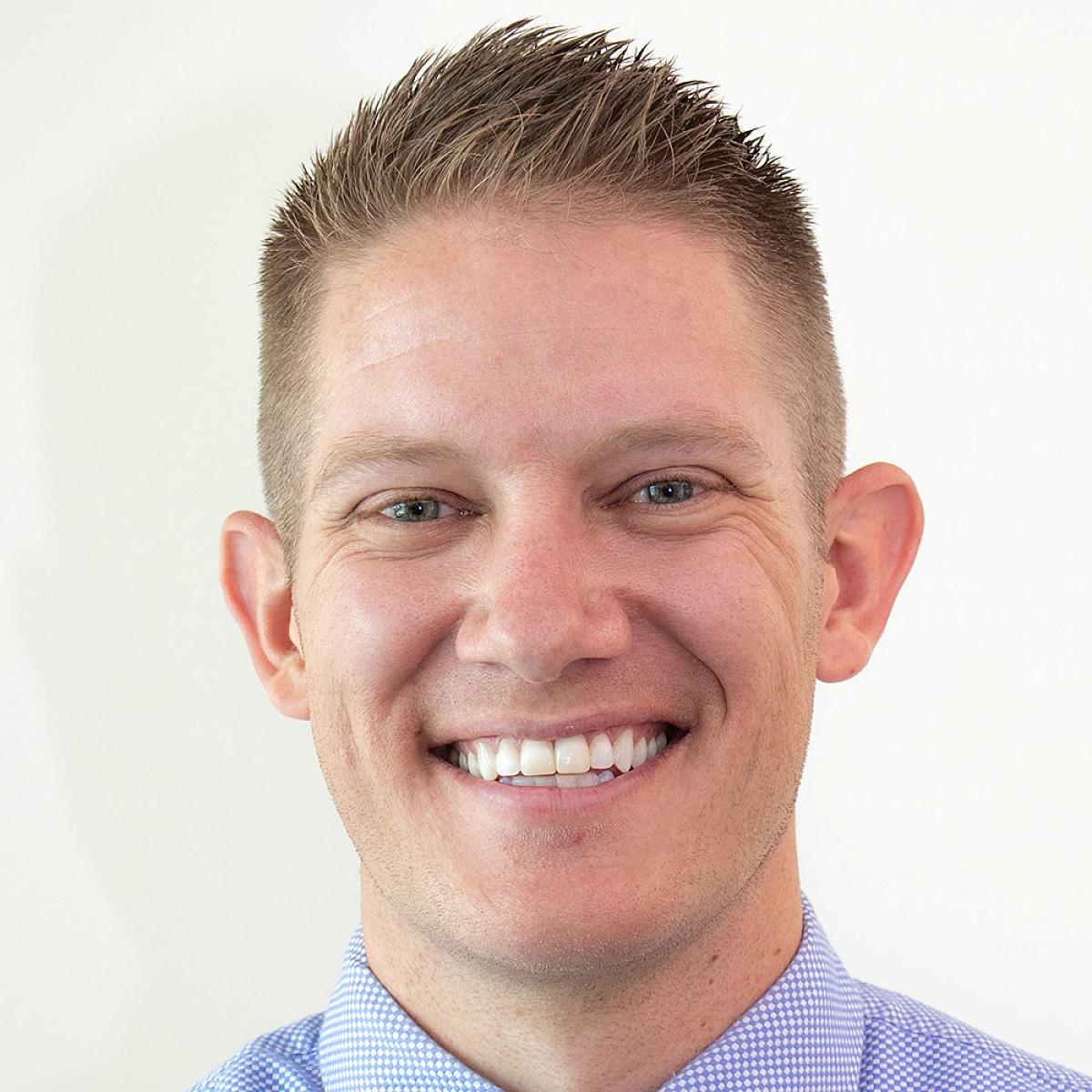
Tyler Clark, MD

Tyler Clark, MD

University of Utah 

From a clinic and patient management perspective, I felt challenged all year long during fellowship. Partway through fellowship year I was ready to practice independently because of the amount of education and encouragement to be independent. Right after completing my fellowship and practicing independently, I was comfortable and confident clinically, procedurally, and administratively. I could focus on training staff and administrative personnel for an interventional practice, which was new to them. At the U I learned novel and cutting edge procedures that I was able to introduce to a new patient market in Montana. The knowledge of the faculty at the University of Utah is unparalleled, and I highly recommend training at the U!

2020-2021
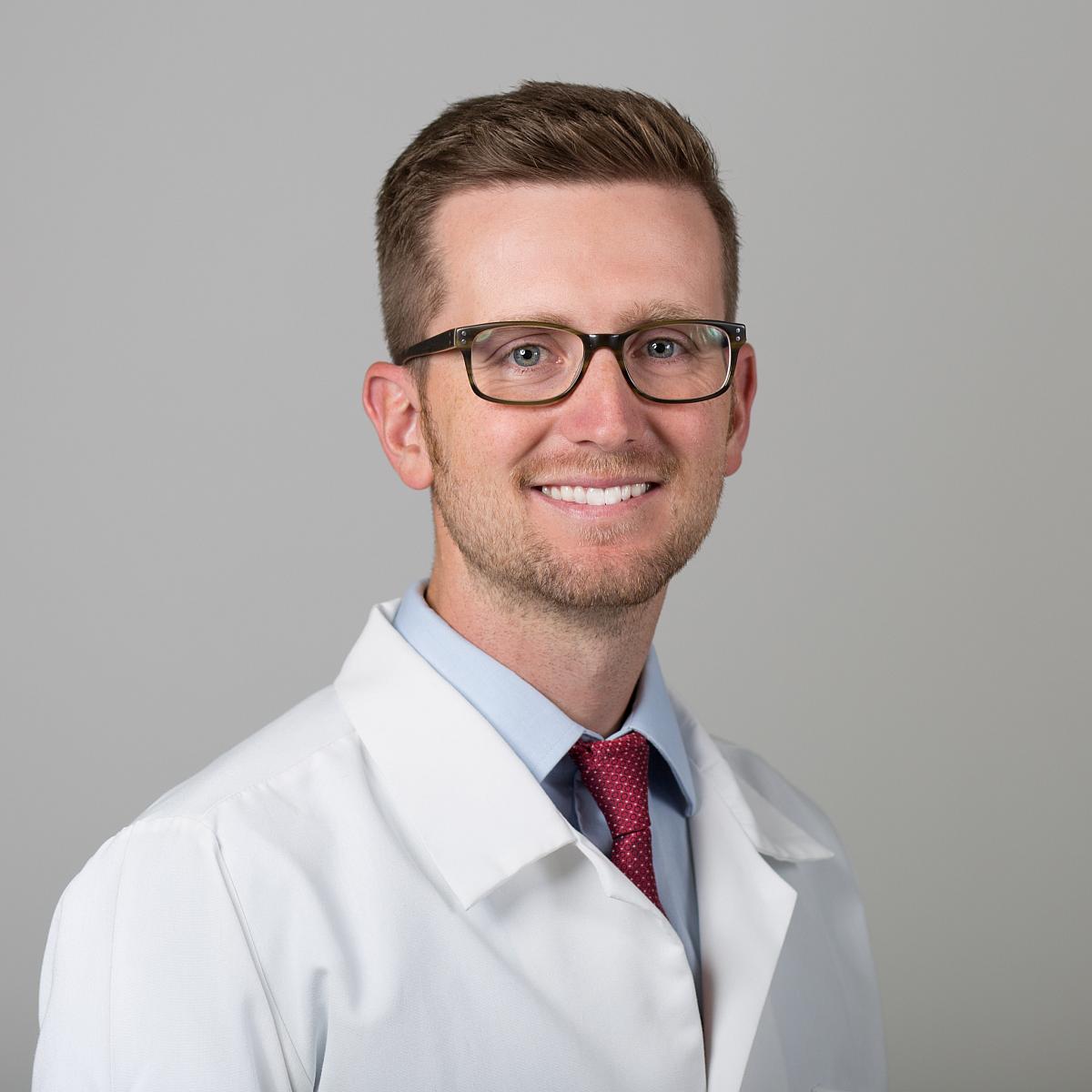
Taylor Burnham, DO

Taylor Burnham, DO, MSc.

Vivo Cura Health 

University of Calgary

I cannot overstate the impact of my fellowship training.  I was mentored by internationally recognized leaders who provided rigorous instruction in clinical assessment and evidence-based interventional care while intentionally shaping me into the physician I aspired to become.  The program offered unparalleled exposure to research development, procedural mastery, and collaboration with national and international leaders in the field.  The University of Utah ISMM Fellowship equips graduates to become world-class clinicians and thought leaders in academic, private, and hybrid practice environments. 

Adam Michalik, DO

Adam Michalik, MD

Twin Cities Orthopedics

My time as an ISMM Fellow at the University of Utah was one of the most formative years of my training. From day one, I was immersed in a high-volume, academically rigorous environment that balanced autonomy with strong mentorship. The faculty genuinely invested in my growth-not just as a proceduralist, but as a thoughtful Spine and MSK Physician. I developed advanced skills in fluoroscopic and ultrasound-guided procedures, and the procedural volume allowed me to graduate feeling confident managing everything from routine injections to more complex spine interventions. 

The continuity clinic experience was especially valuable; running my own clinic under graduated supervision prepared me for real-world practice. 

Expectations were high, but the culture was supportive. By the end of the year, I not only felt technically proficient with procedures, but more mature in my clinical decision-making and leadership skills. 

2019-2020

Aaron Conger, DO

Aaron Conger, DO

University of Utah